Small recurring charges are the quietest way to lose money.
Markiian Halabut··5 min read
Ask most people what they spend on subscriptions and they’ll guess low — often by more than half. Streaming, cloud storage, apps, memberships, that one tool you signed up for during a free trial in 2022: individually trivial, collectively a second rent payment.
Find them first
You can’t manage what you can’t see. Scan your last two or three months of statements for anything recurring. Pay special attention to annual charges — they hide well because they only appear once a year, then blindside you.
Convert everything to a monthly number
Subscriptions come in mismatched frequencies: monthly, yearly, quarterly. To compare and total them honestly, reduce everything to a monthly figure. A $120/year service is $10/month. This is exactly what a burn rate does — it collapses every recurring cost into one monthly denominator so you can say, plainly, “my subscriptions cost $145/month.”
Reserve them, don’t just list them
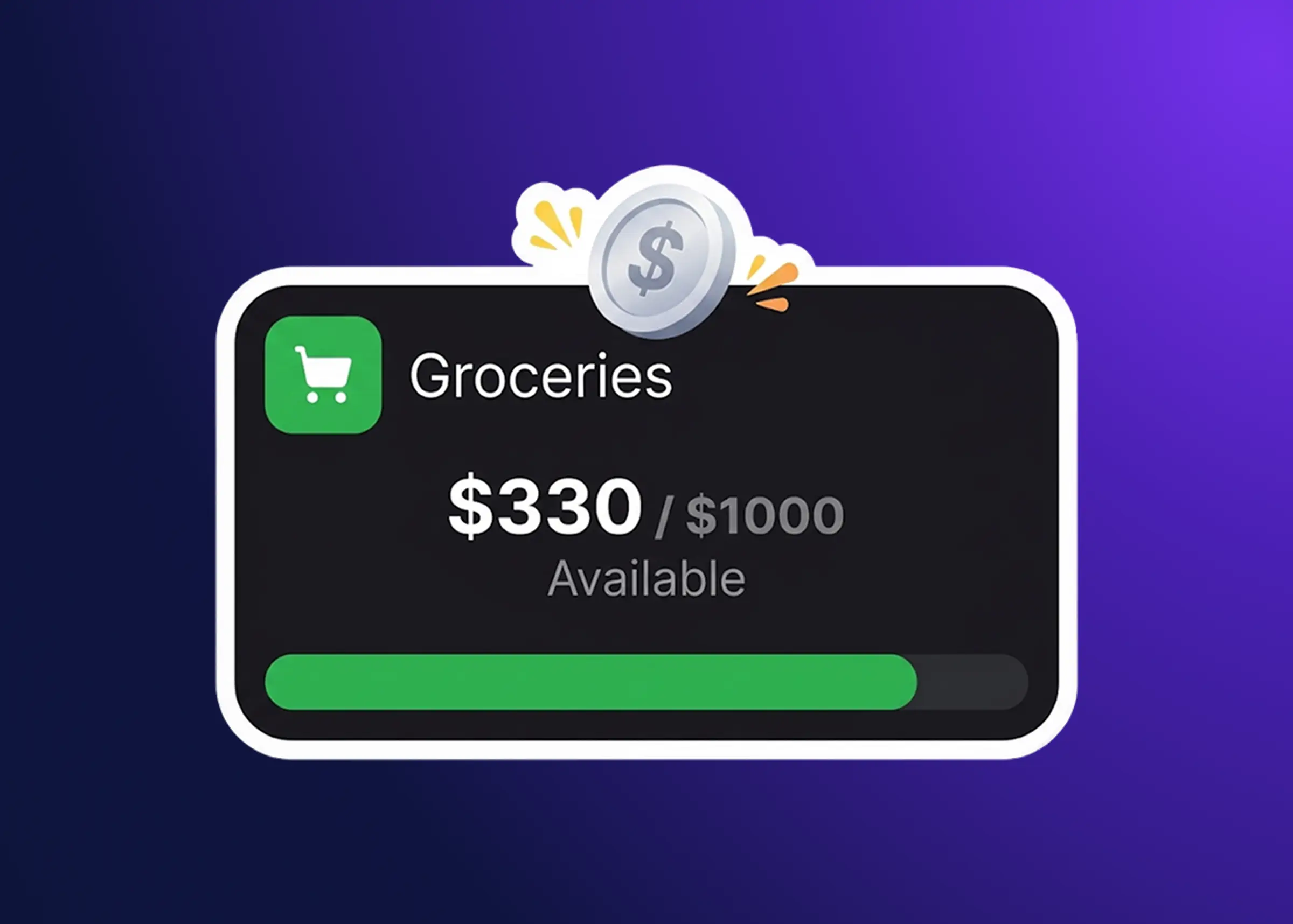
A list is awareness; a reserve is protection. When you enter subscriptions as planned expenses, Dzing reserves them against your Safe to Spend, so the money for next week’s renewals is never counted as free. The renewal stops being a surprise because it was accounted for the moment you got paid.
Run the annual audit
Once everything is in one place with a monthly cost attached, the cancellations become obvious. Seeing “$10/month” is abstract; seeing “$120/year for something I’ve opened twice” is a decision. Do this once a quarter and it pays for itself instantly.
Frequently Asked Questions
Because each individual charge feels trivial ($5, $9, $12) but the cumulative monthly total is invisible until you sit down and total it. The trick isn't cancelling more — it's making the total visible in the moment you decide to add a new one.
Export the last 90 days of card and bank statements, filter for recurring merchant names, and total them. Anything over $10/month you can't immediately justify goes on a "review or cancel" list. Repeat every quarter.
For consumption-driven services (streaming, gym) — yes, when it clearly matches a season of use. For tools and workflows — no; the friction of re-onboarding usually costs more than the fee. Cancel-and-return is a tactic for entertainment, not for utility.
Dzing detects recurring merchant patterns and flags a new one on the second charge, before it silently becomes a permanent part of your baseline. You get to decide "keep or cancel" while the cost is still deliberate.