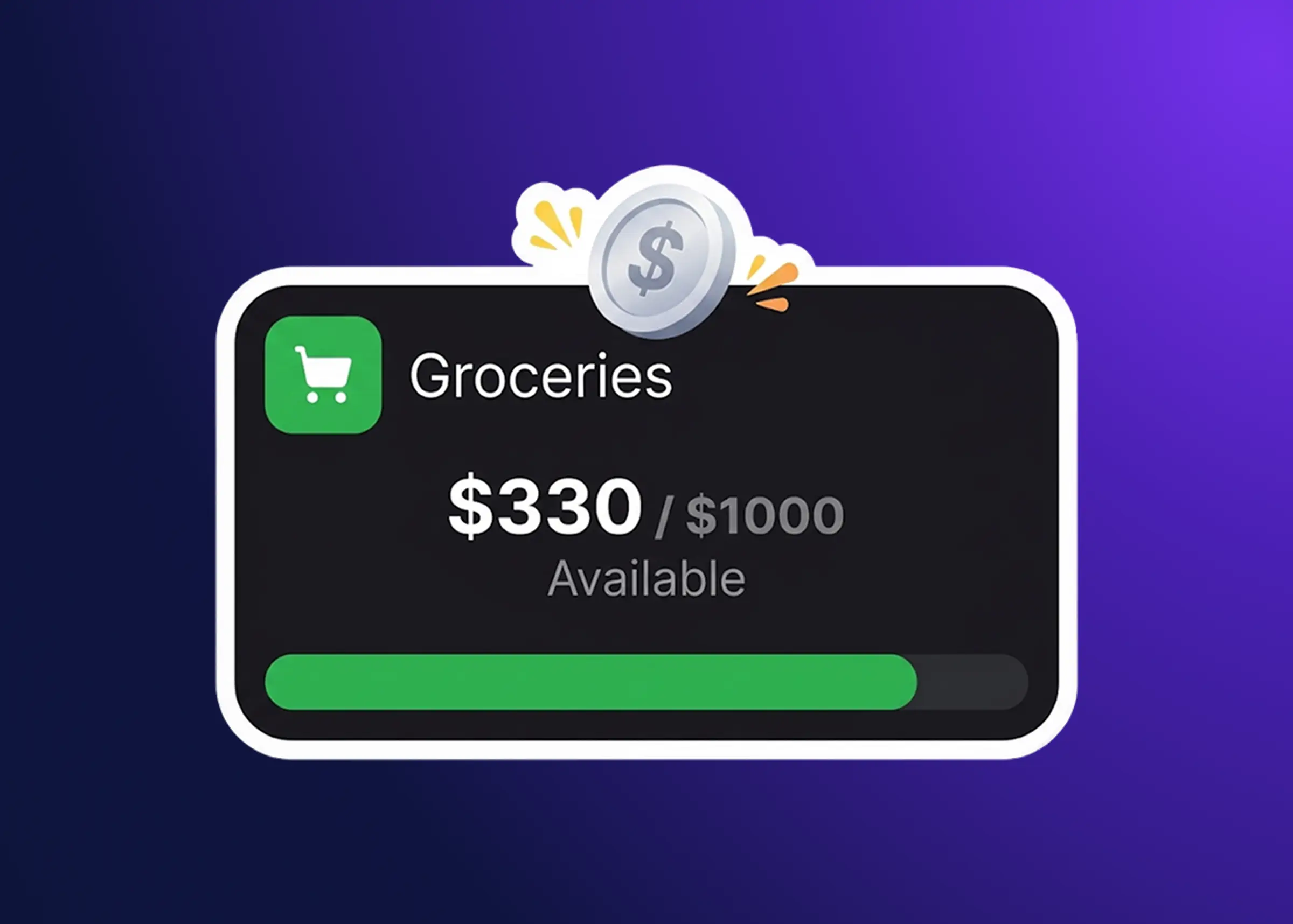
Open any banking app and you see a single number: your balance. It feels like the answer to the only question that matters — how much money do I have? But that number is quietly lying to you. It counts money that already belongs to rent, subscriptions, a loan payment, and the bill that lands next Tuesday.
Safe to Spend is the honest version of that number. It answers a better question: how much can I spend today without breaking a plan I already made?
The formula behind it
Safe to Spend is simple math, done for you continuously:
Safe to Spend = Actual balance − reserved future payments + expected income for the period.
Your Actual balance is the physical money you have right now. From it, Dzing subtracts what’s already spoken for — the planned expenses and bills you’ve reserved — and adds the income you’re realistically expecting before the period ends. What’s left is yours to spend freely.
Why two numbers beat one
Keeping both numbers visible changes behaviour. The Actual balance stops you from overdrawing. The Safe to Spend number stops you from the subtler mistake: spending money that was never really free, then scrambling when the bills arrive.
Most people don’t overspend because they’re reckless. They overspend because the only number they can see is too big. Show a smaller, truer number and the pressure disappears.
No magic numbers
A number you don’t understand is a number you won’t trust. That’s why every figure in Dzing comes with a breakdown: tap it and you see exactly which incomes were added, which planned expenses were reserved, and how the reserve was spread across the month. The math is always in the open.
Where to start
You don’t need a perfect setup to feel the effect. Add your accounts, enter the handful of bills and subscriptions you already know about, and let Dzing reserve them. Within a day, the number you glance at before every purchase is one you can actually rely on.