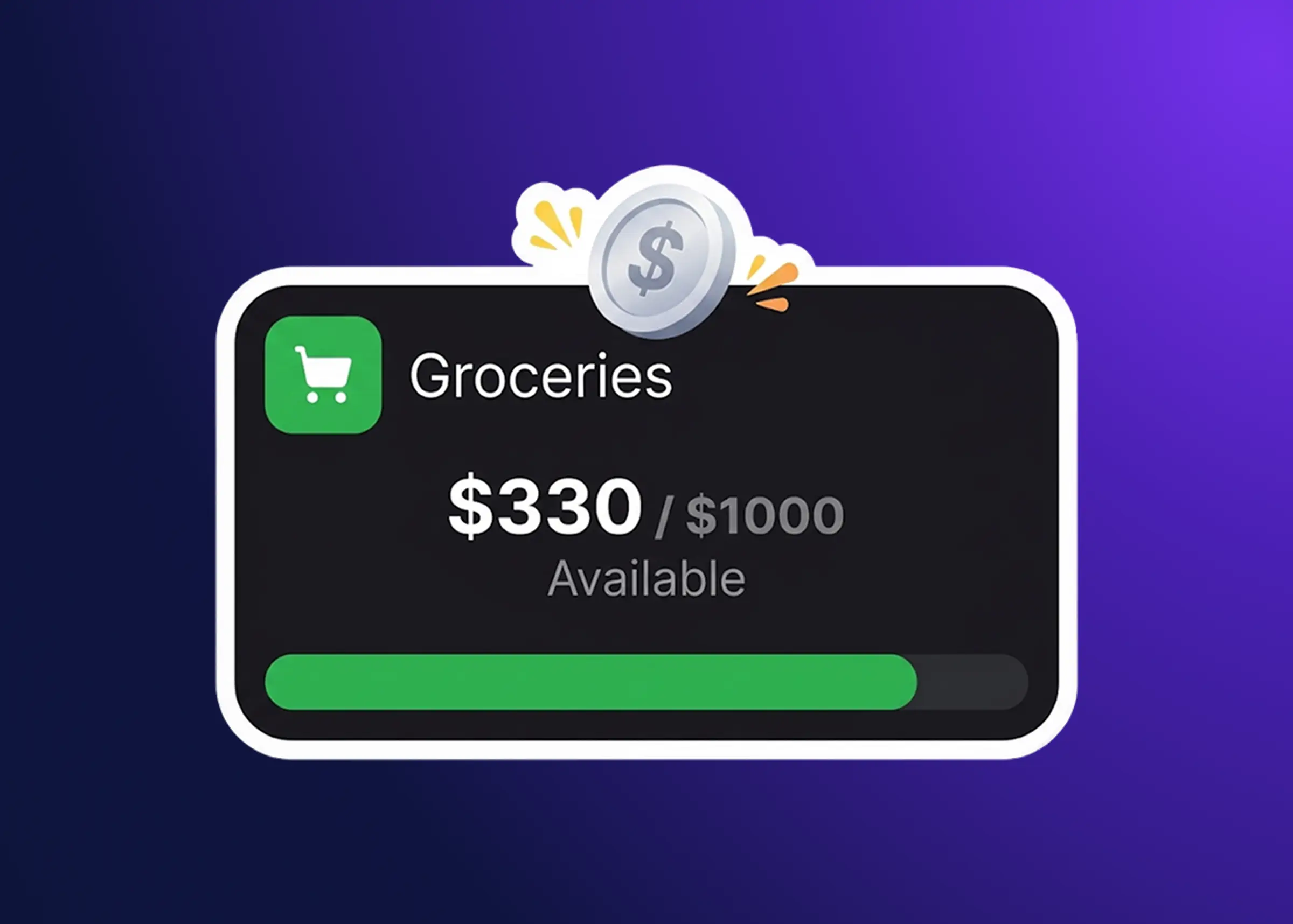

Car repairs, holiday gifts, and seasonal sports fees arrive on a schedule you can predict, yet most monthly budgets treat them like emergencies. Sinking funds close that gap: you turn a large, once-a-year cost into a small monthly contribution you set aside before the bill lands. That is the whole method for how to track planned expenses without the year-end scramble.
What Sinking Funds Are and Why They Work
A sinking fund is a named savings bucket where you deposit a fixed amount each month toward a known future expense. Christmas, birthdays, travel, car maintenance, and back-to-school shopping all qualify. When the bill arrives, the money is already sitting there waiting for it.
What makes it work is separation plus a clear label. Cash in a general checking account reads as spending money, so it gets spent. Money tagged “car maintenance” already has a job, and that label is the entire point. Keep sinking funds in a dedicated account, away from both your main checking and your emergency fund, and the temptation to raid them during a tight month mostly disappears. These funds cover planned purchases, not long-term savings and not real emergencies.
How to Choose and Size Your Categories
Find Your Irregular Expense History
Pull your last 12 months of spending and look for any charge that shows up less than monthly but more than once a year. Insurance premiums, vet visits, school supplies, holiday gifts, travel, vehicle maintenance, sports registration fees: those are your candidates.
Total the annual spend for each one, then divide by 12 to get your monthly target. A car maintenance fund at $100 a month can absorb a roughly $700 winter-tire replacement without touching savings or reaching for credit. You paid for it in advance and never felt it as a single hit.
Use Seasonal Rotation to Reduce Overhead
You do not need a permanently open account for every category. Seasonal funds can rotate through the calendar. A summer fund becomes a fall fund covering Halloween and Thanksgiving, which then rolls into a Christmas fund, so the same monthly contribution recycles across the year’s seasonal spending.
Travel works differently. Instead of a fixed monthly amount, sweep whatever surplus your zero-based budget leaves at month-end into the travel account before the next period starts. The money gets used, and nothing sits idle while you wait for the travel window to open.
Plan for Rising Costs
Back-to-school spending climbs as kids get older, and a contribution that covered supplies for a seven-year-old will run short for a high schooler. Revisit your targets at least once a year. For activities that span multiple seasons, like hockey or competitive cheer, a dedicated $200 a month per child keeps registration fees covered so enrollment never turns into a last-minute scramble.
Where to Keep the Money
A high-interest savings account is the practical home for most sinking funds. It earns yield while keeping the money reachable within a business day or two, which matters because these dollars have a job to do in months, not years. Chasing returns is the wrong move here.
Keep this account apart from your main checking and your emergency fund, since blending all three balances defeats the labeling that makes the system work. When checking runs low and a savings balance is sitting right there, leaving it alone takes real willpower, and physical separation removes that friction for you. When a purchase comes due, transfer the exact amount from the sinking fund to whatever account you pay from, which confirms the money is there before the charge clears.
Zero-Debt Credit Card Pairing
Earning Rewards Without Carrying Debt
Sinking funds pair cleanly with a credit card rewards strategy. Charge the planned purchase to a rewards card, then immediately move the matching amount from the sinking fund to pay the card off. You collect points or cash back and carry zero revolving debt, because the money was set aside before you spent it.
This only holds when the fund is fully built before the purchase. If you are still working toward the target, pay with cash or debit until it fills up. Putting a card on an underfunded category is borrowing against contributions you have not made yet, which recreates the exact cash-flow problem sinking funds exist to kill.
Cash Envelopes for Irregular and Kids’ Spending
Physical cash triggers a different response than tapping a card. Handing over a $20 bill lands as a real loss in a way contactless payment never does, and that sting acts as a brake in categories that tend to creep.
Personal cash envelopes do double duty for kids learning to manage money. Give each child an envelope for birthday money and chore earnings, and they can reach their own funds while out, checking a balance before every purchase. Practiced with small amounts, that habit becomes the foundation for tracking a real budget later.
Tracking Multiple Funds Without Losing Visibility
A spreadsheet tracker with pre-built deposit, withdrawal, and rolling-balance formulas handles many categories at once, each in its own column. You log a deposit when you contribute and a withdrawal when you spend, the balance updates on its own, and you can see how close each fund is to target at a glance.
This pays off most once you are juggling six or more categories, where it is easy to lose track of which fund is short, which is flush, and which needs a bigger contribution as costs rise. Review it quarterly: categories that keep running dry need higher monthly deposits, and the ones piling up a surplus can be trimmed so the freed cash goes somewhere more useful.
Setting This Up in Under an Hour
You already know the car will need service, the holidays will cost money, and the school year shows up with a supply list. The hard part is not predicting those costs, it is keeping six sinking funds straight while your checking balance quietly lies to you: it shows the full number without subtracting the $100 already promised to car maintenance or the $200 headed to registration fees. A monthly $100 contribution toward a $700 expense is invisible, and that same $700 landing in one month is not, and the gap between those two experiences is the entire reason to plan ahead.
Picture the opposite. Every scheduled contribution and withdrawal is already subtracted, and one figure tells you what is genuinely safe to spend today, funds and all.
Dzing computes that single safe-to-spend number from a transparent formula you can open and inspect line by line. Your recurring sinking fund transfers go in as planned operations, budgets and savings goals feed the same calculation, and multiple accounts across currencies reconcile into one view: checking, the high-interest account holding your funds, and the card you pay off each month. Dzing does not connect to your bank and never moves real money, so every entry is manual by design, and that act of typing each transaction is what keeps your committed outflows in front of you. Start with one planned operation, say your $100 car maintenance transfer, and watch the safe-to-spend number adjust: https://dzing.money